Back
Back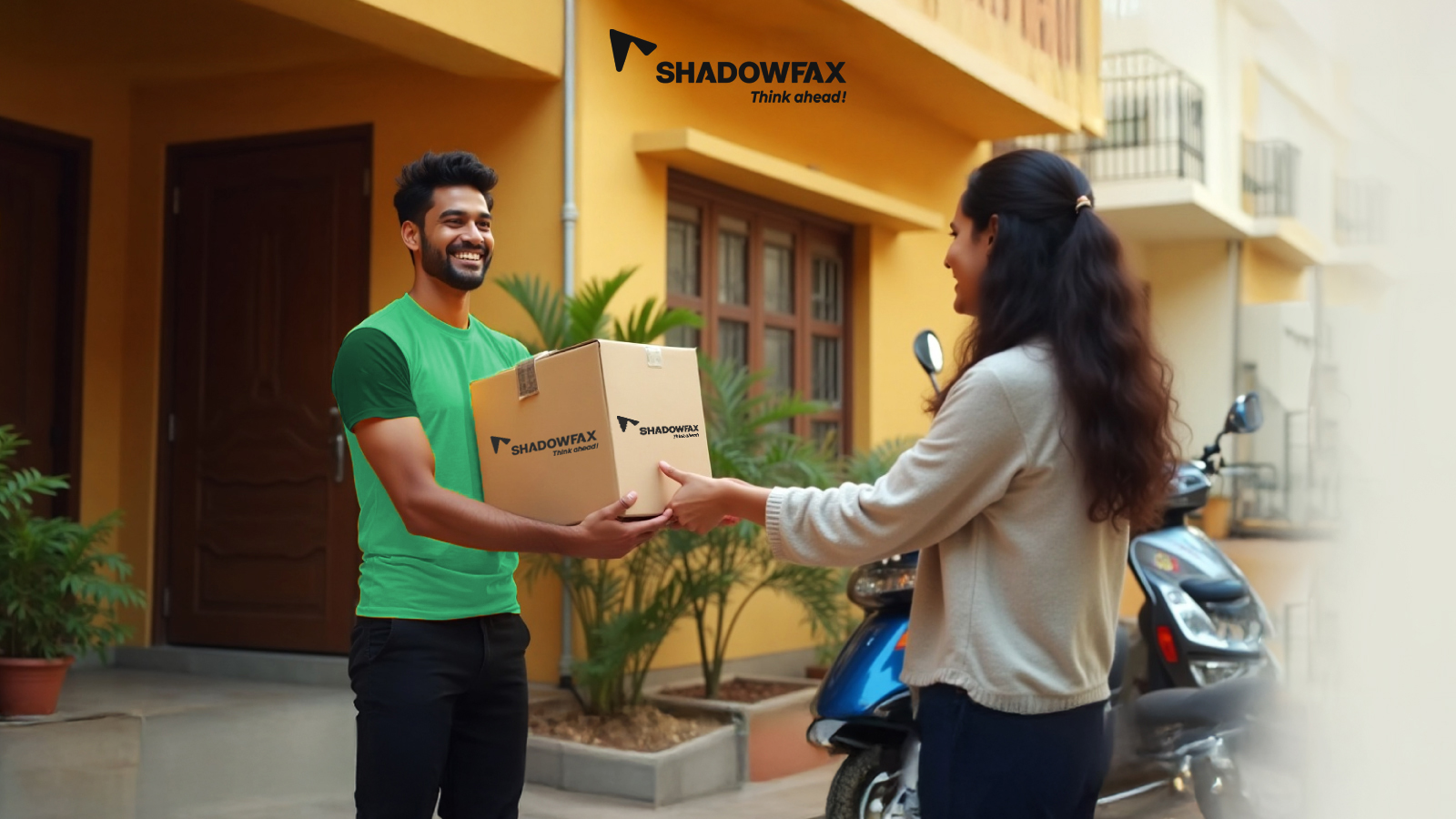


Same-day delivery is a logistics service in which an order is picked up, processed, and delivered to the customer within the same calendar day. It is commonly used for time-sensitive orders such as medicines, groceries, electronics, fashion products, documents, gifts, and business-critical shipments.
For ecommerce and D2C brands, same-day delivery can improve the customer experience by reducing the time between purchase and fulfilment. However, delivering an order on the same day requires more than a fast rider. Inventory must be close to the customer, orders must be processed quickly, and the delivery network must have enough capacity to complete the shipment within the promised time.
This guide explains how same-day delivery works, where it is most useful, how it differs from other delivery models, and what businesses should consider before offering it.
Same-day delivery means an order reaches the recipient on the same day it is placed or handed over for shipping.
For example, if a customer places an eligible order in the morning and receives it by evening, it qualifies as same-day delivery. The actual delivery time depends on several factors, including:
Same-day delivery should not be confused with instant delivery. Instant or quick-commerce deliveries are usually completed within minutes, while same-day delivery provides a broader window extending to the end of the day.
A reliable same-day delivery service depends on coordination between inventory, fulfilment, and last-mile delivery.
The customer places an order before the business’s same-day cut-off time. The website or application should confirm whether same-day delivery is available for the customer’s location and selected product.
Orders placed after the cut-off time may be moved to the next available delivery slot.
The order management system identifies the store, warehouse, dark store, or micro-fulfilment centre best positioned to fulfil the order.
Allocating the order to a nearby location reduces the distance between inventory and the customer.
The fulfilment team locates the product, verifies, and prepares it for dispatch.
A slow pick-and-pack process can affect the delivery promise even when a delivery partner is immediately available. Businesses therefore need accurate inventory information and a defined fulfilment workflow.
The shipment is assigned to an available delivery partner based on the pickup location, destination, parcel details, and required delivery window.
Technology can help match shipments with nearby delivery partners and determine more efficient routes.
The delivery partner collects the shipment and begins the last-mile delivery journey. Real-time tracking and proactive status notifications help the business and customer monitor its progress.
The shipment is delivered to the customer before the end of the agreed delivery window. Proof of delivery may be captured through an OTP, signature, photograph, or another approved confirmation method.
 The correct delivery model depends on the urgency of the order, customer location, product category, and cost of fulfilment.
Customers may need medicines, documents, replacement products, or gifts without waiting several days. Same-day delivery helps fulfil these time-sensitive requirements.
Fast doorstep delivery allows customers to complete a purchase without visiting a physical store or rearranging their schedule.
Customers increasingly expect tracking updates from pickup to delivery. Visibility reduces uncertainty and helps the recipient prepare for delivery.
Not every customer needs an order immediately. Offering same-day delivery alongside next-day and standard delivery allows customers to choose according to urgency and cost.
A clear same-day delivery promise can make customers more confident about placing a time-sensitive order online.
Customers who need a product urgently may otherwise purchase it from a nearby store. Same-day delivery allows ecommerce and D2C businesses to compete for those purchases.
Shorter delivery windows reduce the period in which customers are waiting for an order and checking its status.
When price and product selection are similar, a dependable delivery promise can help one brand stand out from another.
Same-day delivery can be particularly useful for:
Same-day delivery works best when the entire fulfilment process is designed around a short delivery window.
A product cannot usually be delivered on the same day if it is stored hundreds of kilometres away. Businesses need stores, warehouses or fulfilment points close to their main areas of demand.
The ordering system should know whether a product is actually available at the selected fulfilment location. Incorrect inventory information can lead to delays and cancellations.
Customers should be told when they need to order to qualify for same-day delivery. Cut-off times may vary by city, product, day, and available capacity.
Businesses need a defined process for prioritising, picking, verifying,g and packing same-day orders without delaying other shipments.
A same-day delivery partner should have sufficient network coverage and capacity during regular hours, weekends, festive periods, ds and unexpected demand spikes.
Tracking helps businesses monitor delayed shipments and communicate with customers before the delivery promise is missed.
Incorrect addresses, incomplete landmarks, and unavailable recipients can prevent an otherwise well-planned order from being delivered on time.
Same-day delivery charges are not based on speed alone. Pricing may depend on:
Businesses should evaluate the complete delivery cost rather than only comparing the base rate. A lower rate may not provide better value if it comes with limited tracking, inconsistent capacity, or additional charges.
Urban congestion can affect delivery timelines even when the parcel is dispatched on schedule. Route planning and local address intelligence are therefore important.
A delivery partner cannot compensate for an order that remains unprocessed at the warehouse or store. Fulfilment speed must be measured separately from travel time.
Festive sales, weekends, and promotional campaigns can create sudden increases in order volume. Businesses should plan additional inventory and delivery capacity for these periods.
An incorrect address, unavailable customer, or unreachable phone number can turn a same-day shipment into a delayed or returned order.
A business may have the product in stock nationally but not at the location closest to the customer. Distributed inventory planning is essential for same-day fulfilment.
Fast delivery can become expensive when routes are long, order density is low, or each shipment requires a dedicated trip. Businesses need to understand the cost per successfully delivered order.
Confirm whether the customer’s location and selected products qualify for same-day delivery before payment.
Promising a slightly wider but dependable delivery window is better than providing an unrealistic timeline that regularly fails.
Use order data to identify which products sell most frequently in each city or neighbourhood. Store these products closer to customers whenever operationally feasible.
Track the time between order confirmation and shipment handover. Improvements in picking and packing can create more time for the delivery journey.
Accurate geolocation, route planning and delivery sequencing can reduce travel time and improve successful delivery rates.
Notify customers when the shipment is confirmed, picked up, out for delivery or delayed. Clear communication reduces uncertainty and unnecessary support requests.
Businesses should track:
These metrics help identify whether delays begin during fulfilment, pickup, or last-mile delivery.
Before selecting a same-day delivery partner, businesses should evaluate:
The cheapest provider may not always deliver the lowest cost per successful order. Reliability, visibility, and first-attempt delivery performance should also be considered.
Shadowfax supports businesses across ecommerce, D2C, hyperlocal, quick-commerce, and time-sensitive logistics requirements.
Its technology-led delivery network uses order allocation, address intelligence, route planning and real-time shipment visibility to support faster and more dependable last-mile operations. Shadowfax’s overall network reaches more than 2,500 cities and 16,372 PIN codes, while the availability of individual services depends on the shipment type, location, and agreed service level.
Businesses evaluating same-day delivery should confirm:
This helps ensure that the delivery promise displayed to the customer matches the available operational capacity.
Same-day delivery may be suitable when:
It may not be the best option when inventory is centralised far from customers, order volumes are highly dispersed, or products require lengthy preparation.
Businesses can begin with selected cities, products and customer segments before expanding the service more widely.
Same-day delivery can help businesses meet growing customer expectations for speed and convenience, but the delivery promise depends on much more than last-mile movement.
Inventory placement, order cut-off times, fulfilment speed, delivery capacity, route planning and customer communication all influence whether an order reaches the customer on time.
Businesses should start with locations where they have strong demand and nearby inventory, set realistic delivery windows, and measure performance before expanding. With the right operating model and delivery partner, same-day delivery can become a dependable part of the customer experience rather than an expensive promise that is difficult to maintain.
Same-day delivery means an eligible order is picked up, processed, and delivered within the same calendar day.
The exact time varies by service, location, order cut-off, inventory availability, and delivery capacity. The order is generally delivered before the end of the promised same-day window.
Same-day delivery completes the shipment on the day the order is placed. Next-day delivery completes it on the following day.
No. Instant delivery usually promises delivery within minutes or a few hours. Same-day delivery provides a wider delivery window that ends on the same day.
Medicines, groceries, fashion products, electronics, documents, gifts, spare parts, and other time-sensitive products are commonly suited to same-day delivery.
It can cost more because it requires faster processing, nearby inventory, and readily available delivery capacity. Charges depend on distance, parcel size, delivery window, and service requirements.
Yes. Ecommerce businesses can offer it when they have inventory near customers, fast fulfilment processes, and a delivery partner with adequate local capacity.
The cut-off time is set by the seller or delivery provider and may vary by city, product, and available capacity. Customers should see the applicable cut-off before placing an order.
Businesses can improve address accuracy, verify customer availability, maintain local inventory, shorten picking and packing time, use real-time tracking, and communicate delays proactively.
The business should compare serviceability, reliability, technology integration, tracking, peak capacity, proof of delivery, pricing, and experience with similar products.
Shadowfax has a broad national network, but same-day delivery availability depends on the origin, destination, parcel type, and agreed service level. Businesses should check serviceability before promising same-day delivery to customers.
Hash Tags :
#shadowfax #samedaydelivery #fastdelivery #logistics #3pl #toplogisticscompaniesinindia #instantdelivery #bestlogisticscompanyinindia
Related Blogs